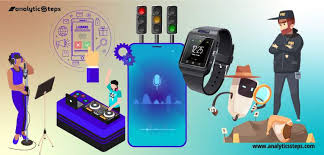
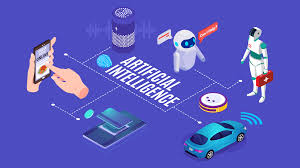
Artificial Intelligence (AI) has quietly become an important part of our day to day life routine. From the moment we wake up and check our phones to the time we go to the bed and sleep , AI-powered tools help us to communicate, work, shop, travel, learn, and manage finances. Unlike earlier times when AI sounded complex or futuristic, today it works in a simpler and practical manner which helps in improving our daily life without requiring technical knowledge. Below are the key areas where AI tools are actively used in our day-to-day activities.
1. Tools for Communication and Writing
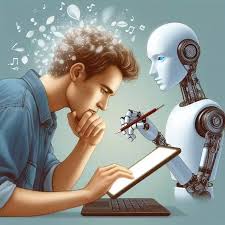
AI tools play a major role in improving our everyday communication and writing tasks and also helps in making it very much simpler . Whether it is sending emails, drafting messages, creating documents, or posting on social media, AI-powered writing assistants always help us to write faster and more accurately as well . These tools automatically correct grammar, spelling mistakes , and sentence structure and many more things as well . It makes communication clearer and more professional even .
For students, AI tools help in writing assignments, essays, and notes by suggesting better sentence flow and vocabulary. For professionals, they save time by drafting emails, reports, and presentations efficiently and professionaly . Even casual users benefit when AI helps rewrite messages in a polite or professional tone, reducing the misunderstandings.
AI writing tools also assist people who are not confident in English or formal writing. By offering real-time suggestions, they reduce hesitation and improve confidence. Many messaging and email platforms now include built-in AI features that predict text, suggest replies, and summarize long conversations.
Another important benefit is like accessibility. People with learning difficulties or language barriers can communicate more easily using AI assistance. AI does not replace human thinking, but it also supports it by reducing efforts and errors.
In our daily life, AI-powered communication tools help people express ideas clearly, save time, and communicate in a effective manner . As digital communication continues to increase, AI writing assistance has become a practical necessity rather than a luxury.
2.Tools in Smartphones and Voice Assistants
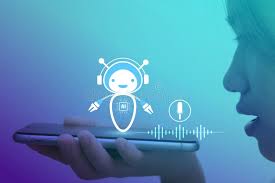
Smartphones are one of the most common examples of AI usage in our day to day life. AI works behind the scenes to make smartphones faster, smarter, and more personalized. Features like face recognition, fingerprint unlock, camera enhancements, and battery optimization and many other are all always powered by AI algorithms.
Voice assistants are another major AI application used daily. They help users to set alarms, reminders, make calls, send messages, search the internet, and control smart home devices using voice commands. This hands-free interaction is especially useful while driving their vehicals , cooking the food and multitasking.
AI also improves smartphone cameras by automatically adjusting lighting, focus, and image quality. Portrait modes, night photography, and scene detection are all results of AI processing. Additionally, AI learns user behavior to optimize app usage and reduce battery consumption.
For elderly users and people with disabilities, AI-powered voice assistants make the technology more and more accessible. Simple voice commands allow them to use devices without complex navigation.
In daily life, AI in smartphones enhances convenience, security, and efficiency. It allows devices to adapt to user habits and preferences, making smartphones feel more personal and intelligent. As smartphone technology evolves, AI will continue to play a central role in improving the user experience.
3. Tools Online Shopping and Recommendations

AI tools have transformed the way people do their shopping online by sitting at home itself . E-commerce platforms always use AI to analyze the user behavior, browsing history, search patterns, and previous purchasing history . Based on this data taken by the technology , AI recommends products that match individual preferences, making shopping faster and more personalized.
Product recommendations, personalized ads, price suggestions, and customized offers are always powered by AI bots . Instead of scrolling endlessly, users are shown items they are more likely to buy. This improves customer satisfaction and saves time.
AI also helps us to compare products, show reviews about the product , and it also suggest us any alternatives based on our budget or quality. Chatbots assist customers by answering questions, tracking orders, and resolving issues instantly without human support and interaction .
In our daily life, AI-powered shopping tools reduce confusion and decision fatigue. They also help the users to discover the useful products, find better deals, and enjoy a smoother shopping experience as well . AI also improves security by detecting fraudulent transactions and fake reviews in the online websites .
Overall, AI makes online shopping much more smarter, safer, and more user-friendly, benefiting both consumers and businesses as well .
4.AI Tools for Navigation and Travel
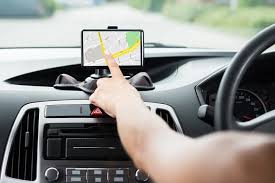
It sounds like you’re looking to make that explanation about AI in navigation and travel apps a bit more conversational and relatable! Here’s a more “humanized” version for you:
Ever notice how smoothly you get around these days, or how easy it is to plan a trip? A huge part of that magic comes from Artificial Intelligence, or AI, quietly working behind the scenes in your navigation and travel apps.
Think about it: those apps are constantly gobbling up massive amounts of data – everything from live traffic jams and road closures to accidents, construction, and even how people typically move around. AI crunches all this information in real-time to figure out the absolute best way for you to go. It’s like having a super-smart co-pilot telling you the quickest, safest, or even most fuel-efficient route. This means less time stuck in traffic, shorter commutes, and a lot less stress getting from A to B.
Your favorite mapping apps, for example, aren’t just showing you a static map. They’re alive with AI! They give you instant traffic updates, adjust your route on the fly if things change, tell you exactly when you’ll arrive, and even suggest nearby gas stations, restaurants, hospitals, or parking spots. It’s all dynamic, adapting to the world around you so you always have the most current guidance. And those ride-sharing or food delivery apps? AI is what connects you to your driver, maps out the most efficient pick-up, and manages the whole system to make sure everything runs smoothly and affordably.
Planning a vacation is also way easier thanks to AI. These tools learn your preferences, remember where you’ve been, understand your budget, and use location data to suggest amazing destinations, hotels, transport, and even full itineraries. They can even predict potential flight delays, weather changes, or when places might be super crowded, helping you plan smarter and avoid nasty surprises. Some apps will even send you a heads-up if conditions change, letting you quickly tweak your plans.
Beyond just convenience, these AI-powered navigation tools are actually helping us in bigger ways every day. By guiding us on less congested roads, they can help us use less fuel, reduce pollution, and even make our roads safer. They empower us to make better decisions on the go, whether it’s knowing the perfect time to leave home or finding an alternative route when emergencies pop up.
In essence, AI has completely changed how we travel, making every journey smarter, more dependable, and wonderfully personal. By continuously learning from what’s happening in the real world, AI navigation tools turn our daily commutes and epic adventures into experiences that are convenient, efficient, and wonderfully stress-free.
5.AI in Health and Fitness
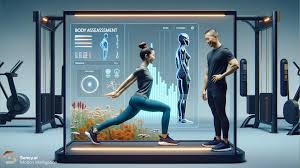
Artificial Intelligence (AI) is transforming our health and fitness sector by making it well and much more personalized, data-driven, and accessible. From tracking our daily activities to offering us a customized workout and nutrition plans also , AI helps an individuals to take more better control of their physical and mental well-being. Today, AI-powered tools are widely used by fitness enthusiasts, healthcare professionals, and even beginners who want to adopt a healthier lifestyle daily.
One of the most important applications of AI in health and fitness is to get personalized fitness tracking. Wearable devices and fitness apps which even uses the AI algorithms to analyze our data such as steps taken, heart rate, calories burned, sleep patterns, and stress levels. Based on this data, tools like Fitbit and Apple Watch provide personalized insights, daily goals, and reminders that motivate users to stay active. These insights help users understand their bodies better and make informed health decisions.
AI also plays a key and important role in smart workout planning and coaching even . Many fitness apps now act as virtual trainers, suggesting exercises based upon one’s individual fitness level, goals, and past performance. AI can correct posture, adjust intensity, and reduce the risk of injury by analyzing movement patterns. This makes professional-style training accessible even at home, without the need for expensive gym memberships or personal trainers.
In addition, the AI also supports the nutrition and weight management which is directly helps in recommending the meal plans, calorie intake, and healthy food choices based on the individual needs. Some apps also analyze the eating habits and they even provide suggestions to improve diet consistency and balance. AI-powered health tools also help us to monitor about the chronic conditions and helps us to promote preventive care, and encourage long-term healthy habits.
6.AI in Laptops

In 2025, portable AI laptops and tablets have been completely transformed the way we work, learn, and create. These advanced devices combine artificial intelligence, high-speed processing, and ultra-light design to deliver unmatched power and convenience of our inputs — whether you’re in the office, classroom, or on the go to anywhere
The newest generation of laptops and tablets is no longer just about speed and portability. They’re now powered by built-in AI processors that adapt to your usage patterns accordingly . These smart systems optimize the performance, manage the battery life, and even predict your next task to make multitasking smoother and more comfortable than ever
Imagine a laptop that automatically organizes your files, filters all the un-necessary distractions, or enhances your video quality during the online meetings of yours — all thanks to AI. Tablets, on the other hand, are now more versatile and creative hubs. With AI stylus recognition and gesture control, they’re ideal for designers, students, and professionals who love flexibility and technology as well
Most of the 2025 models also feature an enhanced privacy and security tools, which also includes facial recognition, voice locks, and real-time malware detection as well, to ensure that your data stays protected and safe wherever you go.
Connectivity has reached new various heights, too — with 5G integration, Wi-Fi 7, and other cloud sync options, working remotely has never been this effortless to this . Many other devices are built with eco-friendly materials and energy-efficient chips which are aligning with the global shift toward sustainable technology.
In short, AI-powered laptops and tablets are more than portable gadgets — they are intelligent digital partners designed to make our life faster, quicker and smarter as well and also more productive. Whether you’re editing videos, coding, studying, or attending meetings, these devices bring the perfect blend of power, precision, and portability into your hands.
Conclusion
Artificial Intelligence has become a very important part for our life and also a powerful driving force in modern communication and social media. By enabling quick interactions, personalized content, and smarter language guide , AI has also helped us in changing how the people meet each other and share information in their daily lives. From predictive text and spot translations to customized news feeds and automated customer support, AI has made digital communication more easy and user-friendly.
At the same time, AI has also improved the safety and reliability of social media platforms through content moderation techniques , spam detection, and the identification of harmful or misleading content. These features also helps us to make more secure and positive online environment for the users across the world. Businesses and creators also get different types of benefit from AI by reaching the right audiences, understanding user behavior, and delivering relevant content effectively.

