Technology, new ideas, and shifting lifestyles are expected to have a significant impact on physical activity and health in the future. Structured and deliberate movement will gain even more significance as automation and AI continue to reduce physical labor. Personalization, ease of use, and integration with daily life are likely to be the primary goals of future fitness solutions.
1. General considerations about physical activity

There are two ways to get involved in physical activities and make them a regular part of your life: by yourself or with help. Compared to medication, physical activities have few side effects . The World Health Organization (WHO) recommends that people engage in any kind of moderate-intensity exercise for at least 150-300 minutes each week . Although the number of minutes appears to be quite high, when broken down into days, it is only 30 to 60 minutes per day for five days per week. This recommendation applies to nearly all age groups, with some exceptions to be considered (if necessary). In addition, it is essential to point out that this does not imply engaging in physical activity for only 30 to 40 minutes and then ceasing all activity for the remainder of the day. Blood vessels and soft tissues (capsule, ligament, muscle, tendon, etc.) need to be moved every one to two hours for normal tone and elasticity to be maintained . In point of fact, it’s a sedentary way of life that is becoming more prevalent in the modern era. This physical inactivity is lethal for human body as the heart needs to be active throughout the day. It is important to note that the benefits include improved thinking or cognition in children aged 6 to 13 and decreased anxiety in the short term in adults. Physical activity accelerates cognitive abilities like thinking, learning, and memory . Physical activity also improves quality of sleep and lowers anxiety and depression risk . The World Health Organization (WHO) recommends that children remain active throughout the day with rest periods that are appropriate for their age and gradually increase their physical limits. According to a study, people who spend more than four hours a day watching television are 80 percent more likely to die from cardiovascular disease .
2. Daily modifications and upgradations for physical health
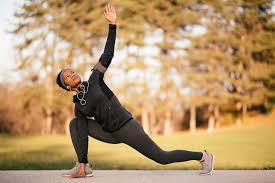
In addition, comprehensive and integrated initiatives must be implemented in order to achieve higher levels of physical activity. The benefits of physical activity depend on an individual’s efforts to encourage exercise among themselves, their families, friends, subjects, patients, and coworkers, among other people at school and work. Based on the advice of an exercise physiologist or physical therapist, choose physical activities that are appropriate for your current fitness level and health goals at the outset. Some activities are safer than others. Physical activity needs to be increased gradually over time in order to meet health goal criteria. People who are inactive should “start small and build up” by starting with activities that are less intense and gradually increasing their frequency and duration. In order to combat physical inactivity, the planning of offices, roads, and transportation systems should be altered to promote active lifestyles, focusing on various social levels. Employees should be encouraged to get up and walk to the office to catch up over a cup of tea and talk on their phones while walking. By contracting and relaxing the muscles of the upper and lower limbs, thorax, and spine, these movements, in turn, encourage blood circulation and muscle relaxation. Instead of the standard ideal sitting criteria, meetings should be made fun. In addition to the above use of stairs should be encouraged inspite elevators/escalators. The parking lot should be far enough away to encourage walking.
3. Exercises/Movements to improve your physical health
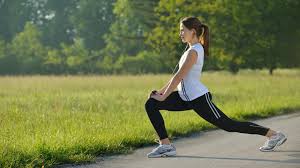
Individual-specific exercise interventions for better health and well-being are encouraged, according to the American College of Sports Medicine (ACSM) Physical Activity Guidelines [34]. For the generation and management of physical health and fitness, studies recommend balance, endurance, flexibility, and strengthening exercises [35,36]. Two or more components can be combined in physical activities. By taking the physical act to a higher and longer duration with age, it helps to encourage the performer to remain active throughout life by generating enthusiasm and eliminating boredom. Lunges, pushups, squats, swimming, planks, and dumbbell rows should be done from an early age and continued into adulthood (a medical consultation should be considered if necessary). Personal goals for a physically healthy life are essential. When setting goals, it’s important to try a variety of activities, both indoors and outdoors. Both straightforward and lofty objectives are attainable. For instance, going for a 45-minute brisk walk in the neighborhood three times a week with friends or family, walking to lunch twice a week, or using active transportation—walking, biking, or wheelchair walking—to get to school, work, or the store might be the best option for a person. Even though physical activity has many positive effects on health, it can also cause injuries like sprains, strains, fractures, or worse [37]. The musculoskeletal system is the most common domain to get injured with physical activities/exercises [38]. Overheating and dehydration are to blame [39]. When exercising, heart attacks are extremely uncommon. Physical activity is practically risk-free for everyone. Pregnant women and the elderly, as well as those who are at risk of developing chronic diseases and symptoms, should seek the guidance of health care professionals, such as an Exercise Physiologist or physical therapist, regarding the type and level of activity that should be started.
4. Fitness trackers
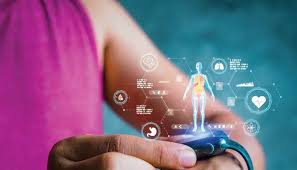
A device or application that monitors and tracks fitness-related metrics like distance walked or run, calorie consumption, and, in some instances, heart rate is known as an activity tracker [40]. It is a type of computer that is worn on the body. Because they can be wirelessly connected to a computer or smartphone for long-term data tracking, smart watches are frequently used [41]. Independent smartphone and software applications are also available. Wearable devices, such as Fitness Trackers, Smart Watches, Heart Rate Monitors, and Global Positioning System (GPS) tracking devices, have grown in popularity over the past few years, with users ranging in age from children to the elderly. By creating mental concern for heart rate, number of steps/cadence, duration of current and projected future workout, calorie loss, running distance, activity recording, sleep patterns, and blood pressure, these devices are designed and marketed to encourage inactive individuals to become physically active. Activity trackers were found to increase daily physical activity by 1850 steps, according to a systematic review [42].
5.Physical Activity and Community Health
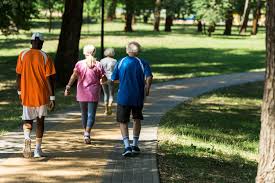
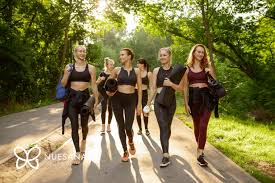
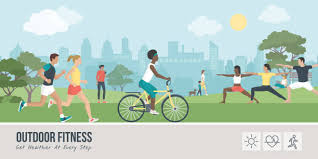
Not only is physical activity important for individual well-being but also for the health of communities as a whole. When people engage in regular physical activity together, it creates healthier, more connected, and more resilient communities. Physical activity at the community level reduces the number of diseases, improves mental health, and strengthens social bonds. Enhancing the Results for Public Health Obesity, diabetes, heart disease, and hypertension are lifestyle-related diseases that can be reduced through community-based regular physical activity. A greater number of people adopt active habits when communities promote sports, walking, cycling, group exercise, and other activities. This eases pressure on medical systems and reduces healthcare costs. Better levels of overall physical fitness and a longer life expectancy are typically found in active communities. Increasing Social Interactions Social interaction is encouraged through community-based physical activities like group walks, yoga in parks, sports tournaments, and fitness classes. People of various ages, cultures, and backgrounds come together through these activities, which aids in the development of trust and cooperation. Strong social connections improve emotional well-being and community harmony, reducing loneliness and isolation, particularly among the elderly. Well-being on an emotional and mental level Mental well-being is strongly correlated with physical activity. Through the development of a sense of belonging and a shared purpose, community exercise programs aid in the reduction of stress, anxiety, and depression. It is easier for people to stick to healthy routines when they participate in activities in groups because doing so increases motivation and consistency. Positive lifestyle changes and emotional resilience are fostered in an environment that is supportive. Contribution of Local Support and Infrastructure Community levels of physical activity are greatly influenced by access to parks, playgrounds, walking and cycling trails, sports facilities, and other recreational areas. In order to create safe and welcoming areas for movement, local governments, schools, and other organizations play a crucial role. Community events and awareness campaigns further inspire people to stay active.
6.Future Trends in Health and Fitness
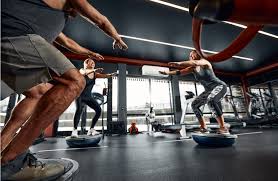
Technological advancements, shifting lifestyles, and a growing awareness of holistic well-being are all contributing to the rapid evolution of the health and fitness industry. Personalized, data-driven, and preventative approaches will be the primary focus of fitness in the future, moving beyond conventional exercise routines. The goal of these trends is to make physical activity more fun, effective, and accessible to people of all ages. Fitness that is based on data and is personalized Personalized fitness will be a major trend in the future. Real-time data such as heart rate, quality of sleep, activity levels, and stress indicators will be collected by wearable devices and smart sensors. Fitness programs will be tailored to each person’s needs, goals, and health conditions through the use of artificial intelligence. By adapting exercises based on physical capacity and progress, personalized workout plans will help reduce injuries and enhance long-term outcomes. Virtual and Immersive Fitness Experiences
It is anticipated that augmented reality (AR) and virtual reality (VR) will alter how people exercise. Immersive fitness experiences will allow individuals to work out in virtual environments such as mountains, beaches, or interactive game-based settings. For those who struggle with consistency, these technologies will make workouts more enjoyable and motivating. Virtual group classes will also connect people globally, promoting social engagement in fitness.
Integration of holistic health and wellness Future fitness trends will emphasize overall wellness rather than just physical appearance. Mental health practices, nutrition planning, sleep management, and techniques for reducing stress will be combined with exercise routines. Yoga, meditation, mindfulness training, and breathing exercises will all become essential components of fitness programs to support mental and physical health. Infrastructure that is smart and active living Cities and workplaces will increasingly support active lifestyles. Daily movement will be encouraged through wellness-focused office policies, standing workstations, walkable urban designs, and smart gyms. Physical education that uses technology to help students learn healthy habits can be implemented in schools. Conclusion
Innovation, individualization, and harmony are the keys to the health and fitness industry’s future. Future fitness approaches will assist individuals in leading active, sustainable, and healthier lives by combining technology with healthy habits.
CONCLUSION
Physical activity plays a crucial role in maintaining one’s physical, mental, and social well-being at all stages of life, from infancy to old age. Therefore, designing, promoting, and encouraging it is essential. A combination of community-wide initiatives and mass media campaigns that disseminate clear, motivating, and evidence-based information about the health benefits of physical activity can be used to effectively promote it. In addition, fostering a culture that values and supports active lifestyles can be cultivated by strengthening social support networks in workplaces and communities. In order to instill healthy habits that will last a lifetime in children and adolescents, structured and unstructured opportunities like physical education programs, classroom-based physical activities, after-school sports, and active modes of transportation like walking or cycling to school are crucial. In addition to enhancing physical fitness, these early interventions also boost cognitive performance, emotional well-being, and social development. For adults and the elderly, accessible community spaces, workplace wellness programs, and age-appropriate physical activities help reduce sedentary behavior and support healthy aging.
In addition to recommending practical ways to increase participation at the individual and societal levels, this article draws attention to the numerous benefits of physical activity for enhancing physical fitness and overall health. For reducing the burden of lifestyle-related diseases, improving quality of life, and minimizing the long-term economic impact on individuals, healthcare systems, and national economies, increasing physical activity participation is essential.
