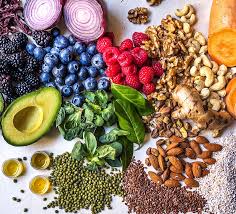

A healthy diet also includes a quite and great variety of foods from all kind of food and its groups. Fruits and vegetables also provide vitamins, minerals, and fiber which even helps in supporting digestion and immunity growth . there are different types of Whole grains such as brown rice, oats, and whole wheat which provide long-lasting energy. Proteins from the different sources like pulses, eggs, dairy, nuts, and lean meats which helps in our muscle growth and repair also . Healthy fats such as from nuts, seeds, and oils support brain and heart health. Drinking enough water is also very much essential for hydration and body functions.
Healthy eating is not only benefit for but also for the body and even for the mind . Nutrient-rich foods also help in improvement of our concentration, memory, and mood. A balanced diet also helps us to reduce the stress and fatigue and also supports our emotional stability. Regular meals also prevent the sudden energy drops and helps in maintaining our mental alertness throughout the day.
1.What is good eating?

There is no such thing as strict dietary guidelines, extreme dieting, or denying oneself the foods they enjoy. Instead, it focuses on providing a healthy diet that gives you energy, fills you up, and refreshes your mind. In addition to supporting physical health, eating well also improves mood, concentration, and overall quality of life. The constant stream of contradictory nutrition advice leaves a lot of people feeling lost and overwhelmed. A food can be praised as healthy one day and criticized the next. Healthy eating can appear to be complicated and frustrating due to this contradiction.
The reality, on the other hand, is much simpler than it appears. While some nutrients and foods can improve health and mood, it’s more important to focus on your eating habits as a whole than on specific ingredients. Whole grains, lean proteins, healthy fats, and fruits, vegetables, and other foods that are close to their natural form are emphasized in a healthy diet, while highly processed foods are minimized. This way of eating helps maintain steady levels of energy, improves digestion, boosts immunity, and improves emotional well-being.
Additionally, it permits flexibility, making it simpler to savor meals without feeling guilty or stressed. Healthy eating ought to be practical, pleasurable, and long-lasting. You can develop eating routines that complement rather than disrupt your lifestyle by focusing on variety, moderation, and balance. Making consistent, mindful choices over time can have a significant impact on how you think, look, and feel. Healthy eating doesn’t have to be a burden; rather, it can be a positive and fulfilling part of everyday life with the right approach.
2.Making the switch to a healthy diet

Switching to a balanced and nutritious diet does not have to be an extreme or overwhelming process. It is not an all-or-nothing commitment, nor does it require perfection. You do not need to completely eliminate the foods you enjoy or drastically transform your eating habits overnight. In fact, attempting to change everything at once often leads to frustration, feelings of deprivation, and eventually abandoning the plan altogether. Sustainable healthy eating is built on flexibility, patience, and consistency rather than rigid rules. A more effective and realistic approach is to introduce small, gradual changes into your daily routine. Modest goals are easier to maintain and far more likely to lead to long-term success. When dietary improvements are broken down into simple, manageable steps, they feel less intimidating and more achievable.
For example, adding a serving of vegetables or a fresh salad to one meal each day is a small adjustment, yet it can significantly improve your overall nutrient intake. Over time, these minor changes naturally become habits. As healthy habits take root, you can slowly expand on them by making additional choices that support your well-being. This might include drinking more water, choosing whole grains over refined ones, reducing processed foods, or including more fruits and lean proteins in your meals. Each positive change builds upon the previous one, creating a strong foundation for a healthier lifestyle without sacrificing enjoyment or balance. This gradual approach also helps you develop a healthier relationship with food. Instead of feeling restricted or guilty, you learn to make mindful choices that align with your body’s needs and your personal preferences. Flexibility allows room for enjoyment, social occasions, and occasional indulgences, making the eating plan more sustainable over time. Ultimately, improving your diet is a journey rather than a destination. By focusing on progress instead of perfection and embracing small, consistent changes, you can create lasting habits that support both physical health and mental well-being. Healthy eating becomes less about strict discipline and more about making choices that help you feel your best every day.
3.What are the benefits of eating healthy?

Eating healthy offers numerous benefits that support both physical and mental well-being. A balanced and nutritious diet provides the body with essential vitamins, minerals, and nutrients required for proper growth, repair, and daily functioning. One of the primary benefits of healthy eating is improved energy levels. Nutritious foods help maintain steady blood sugar levels, reducing fatigue and keeping the body active throughout the day. Healthy eating also strengthens the immune system, enabling the body to fight infections and illnesses more effectively.
A well-balanced diet supports heart health by reducing the risk of high blood pressure, high cholesterol, and heart disease. It also helps in maintaining a healthy body weight, lowering the chances of obesity and related conditions such as diabetes and joint problems. Healthy eating has a positive impact on mental health as well. Nutrient-rich foods improve brain function, enhance concentration, and help stabilize mood, reducing stress, anxiety, and depression. Proper nutrition also promotes better sleep quality and overall emotional balance. In addition, a healthy diet improves digestion, supports gut health, and contributes to healthier skin, hair, and bones. Over the long term, adopting healthy eating habits reduces the risk of chronic diseases, improves quality of life, and supports longevity. Overall, eating healthy helps individuals feel stronger, more focused, and better equipped to lead an active and productive life.
4. Importance of healthy food

Food plays a central role in human life, extending far beyond basic survival. It is a primary source of nourishment that fuels the body and supports every biological process, from cellular repair to brain function. The quality of food we consume directly affects how our bodies perform, how our minds function, and how resilient we are to disease. Nutritious foods provide essential macronutrients such as carbohydrates, proteins, and fats, along with micronutrients like vitamins and minerals that are vital for maintaining balance and health.
Food also has a powerful connection to culture and tradition. Meals often reflect regional practices, family values, and cultural identity, bringing people together and strengthening social bonds. Shared meals promote emotional well-being, communication, and a sense of belonging. Traditional diets, which are often based on whole and minimally processed foods, have been associated with lower rates of lifestyle-related diseases and improved long-term health outcomes.
In addition, food plays a key role in mental and emotional health. Certain foods can influence mood, memory, and stress levels by supporting brain chemistry and hormonal balance. Regular, well-timed meals help stabilize blood sugar levels, reducing irritability and fatigue. Mindful eating—paying attention to hunger cues, portion sizes, and food quality—can improve digestion and foster a healthier relationship with food.
Food choices also have broader implications for the environment and society. Sustainable food practices, such as consuming seasonal produce and reducing food waste, contribute to environmental conservation and food security. By making informed and balanced food choices, individuals not only support their own health but also contribute to the well-being of communities and future generations.
5.Healthy Eating Habits
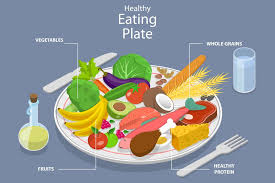
What You Need to Eat to Stay Healthy A healthy diet includes a variety of foods from all food groups. Vitamins, minerals, and fiber found in fruits and vegetables help digestion and immunity. Whole grains such as brown rice, oats, and whole wheat provide long-lasting energy. Lean meats, pulses, eggs, dairy, and other sources of protein aid in muscle growth and repair. Healthy fats from nuts, seeds, and oils support brain and heart health. Drinking enough water is also essential for hydration and body functions.
Healthy Eating and Mental Well-being
Healthy eating not only benefits the body but also the mind. Diets high in nutrients aid in mood, memory, and concentration. A well-balanced diet helps maintain emotional stability and reduces fatigue and stress. Regular meals prevent sudden energy drops and help maintain mental alertness throughout the day.
Healthy Eating Habits
Developing healthy eating habits involves eating meals on time, avoiding excessive junk food, reducing sugar and salt intake, and practicing portion control. Better health can be maintained by cooking at home, reading food labels, and choosing fresh foods over processed ones. Conclusion
Long-term well-being, mental clarity, and physical strength are all benefits of eating well. People can live a life that is both healthier and more fulfilling if they choose their food with consideration and keep a healthy balance.
6.Weight Management for healthy habits

Weight management refers to maintaining a healthy body weight through a balance of proper nutrition, regular physical activity, and healthy lifestyle habits. It is not about extreme dieting or rapid weight loss, but about achieving and sustaining a weight that supports overall health and well-being. Improved physical and mental health and the prevention of chronic diseases are both aided by effective weight management. The Importance of Losing Weight Obesity, diabetes, heart disease, and high blood pressure are lifestyle-related diseases that are less likely to occur if you keep a healthy weight. Energy levels, mobility, and self-confidence all rise when weight management is done correctly. Additionally, it aids in improved sleep, hormonal equilibrium, and immune function. Balance is essential because both underweight and overweight conditions can have a negative impact on health. Role of Healthy Eating in Weight Management
Healthy eating plays a crucial role in managing weight. Consuming balanced meals with appropriate portions helps control calorie intake while providing essential nutrients. Whole grains, fruits, and vegetables, which are high in fiber, help people feel fuller longer and prevent them from overeating. Sugary foods, fried foods, and processed snacks should be avoided at all costs to avoid overeating. Drinking enough water and maintaining regular meal timings also support healthy metabolism.
Keeping a Healthy Weight and Being Active It is essential to engage in regular physical activity in order to burn calories and keep muscle mass. Activities such as walking, jogging, cycling, swimming, yoga, and strength training help improve metabolism and body composition. Exercise also prevents weight regain and supports long-term weight stability. When practiced consistently, even moderate daily activity can make a significant difference.
Conclusion:
Healthy eating has an impact not only on one’s physical health but also on one’s mental and emotional well-being. The body gets the essential nutrients it needs for energy production, growth, repair, and optimal function from a well-balanced diet. People can maintain their energy levels, boost their immunity, and better resist common illnesses by choosing good foods. A healthy diet helps the body’s natural systems work more effectively and efficiently over time. Healthy eating’s role in preventing chronic diseases is one of its most important long-term benefits.
Healthy fats, whole grains, lean proteins, and fruits and vegetables all contribute to weight management, blood sugar control, and heart health. Obesity, diabetes, cardiovascular disease, and hypertension are all reduced as a result. Additionally, proper digestion and gut health, which are closely linked to immunity and overall vitality, are promoted by healthy eating. Nutrition has a significant impact on mental health in addition to its physical advantages. Emotional stability, sharper focus, and improved brain function are all benefits of eating well-balanced meals. Foods high in nutrients help neurotransmitter function, reducing stress, anxiety, and mood swings. People who eat well tend to have better quality sleep, better concentration, and a more positive outlook on life. A healthy diet also helps you look better and feel more confident. Good skin, thicker hair, and strong bones are all supported by good nutrition, which boosts physical strength and self-esteem. Importantly, eating well does not necessitate perfectionism or strict dietary restrictions. Instead, it’s about making choices that are consistent and mindful and help you stay healthy and sustainable for the long term. In conclusion, eating a healthy diet is more than just a dietary choice; it’s an investment in one’s lifestyle that pays off in the long run. People can increase their quality of life, lessen their reliance on healthcare, and establish a solid foundation for long-term wellness by adopting healthy eating habits. Healthy eating has a positive impact on families, communities, and societies as a whole that goes beyond the individual.

