
in today’s fast-paced and demanding world around us , Mental health has quietly become a very important part of our everyday life. From meeting our work deadlines and managing our family finances and expenses to balancing relationships and personal goals as well stress can be easily build up and affect both of our mental and physical health as well. While it’s impossible to avoid stress completely, learning to manage it very effectively can make a very huge difference in how we feel and function in our day to day life .
Good mental health is not just the absence of illness or stress — it is all about the foundation of a happy and balanced life. It also allows you to think clearly, stay positive, and handle emotions and challenges with peacefulness . When your mind is healthier , your body follows to improve in sleeping , immunity, and boosting your energy levels as well .
Managing your stress begins with self-awareness. Identify what triggers your stress and find healthy ways to cope it around you . Regular exercise and an improved balanced diet, and quality sleep are very much important for maintaining emotional balance. Simple practices like deep breathing, meditation, journaling, or spending time in nature can be helping full in keeping your mind peacefull and restore inner peace as well

1.Identify the Source for mental health
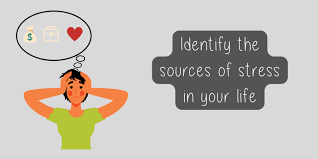
The first and much most important step in managing stress is to understand what is the main cause of it. You cannot fix what you can not see — and that is why you are identifying your stress triggers is the foundation of better mental health.
Stress can come from many directions such as — work pressure, financial worries, relationship issues, health concerns, or even your own expectations. Sometimes, it is easy to pinpoint the source but often, it is hidden in your habits and mindset such as overthinking and many more things
Take time to reflect on your daily routine and Ask yourself a few questions such as
What are the different type of situations which make you feel anxious or tense?
Are there people or environments that drain my energy?
Am I taking on too many responsibilities at once?
Writing your thoughts in a journal can help you notice patterns and better understand what triggers your stress. Once you identify the root causes of the stress then you can take targeted steps to address them and solve them — such as improving time management, setting boundaries, or seeking help when ever it is needed.
Remember, not all stress is bad. A little stress can motivate you a lot , but constant or overwhelming stress harms your health very badly . The goal is not to eliminate stress completely but to recognize and manage it wisely.
By identifying what truly causes your stress, you take the first step toward regaining control, building emotional resilience, and achieving a calmer, more balanced life.
2. Stay Physically Active daily for mental health

exercise plays a vital and crucial role in managing your stress and improving mental health. When you get yourself in a physical activities like walking, yoga, dancing, or stretching, your body releases a hormone known as endorphins which is often called as “feel-good hormones”—that helps you to lift up your mood and reduces the feelings of anxiety and depression as well . Regular exercise also helps in lowering stress hormones such as cortisol, promoting a sense of calm and relaxation. Even simple routines of 15–30 minutes a day can help in refreshing your mind, boost energy levels, and improve your sleep quality as well . Staying active not only strengthens your body but also enhances your focus as well , confidence, and emotional resilience in your daily life.
3.Get Enough Sleep regularly for mental health

Getting enough sleep is very much essential for maintaining good mental health and managing stress effectively. Lack of rest can increase a lot anxiety, irritability, and difficulty in concentrating and making the daily challenges feel more overwhelming. Quality sleep allows the brain to recharge effectively , process emotions, and restore balance in the body. Aim for 7–8 hours of uninterrupted sleep each night to feel refreshed and feel focused. To improve sleep quality, avoid caffeine, heavy meals, and screens before bedtime. Instead Start developing a calming routine—like reading, meditating, or listening to soothing music—to signal your body that it’s time to relax and prepare for restful sleep.
4.Eat a Balanced Diet

Healthy eating plays a vital role in maintaining a calm and positive state of mind. The foods we choose each day directly affect our mood, energy, and ability to handle stress. Including fresh fruits, leafy vegetables, whole grains, and plenty of water in our daily meals helps nourish both body and mind. These foods provide essential nutrients that keep the brain active and balanced. On the other hand, consuming excess sugar, processed snacks, or alcohol can increase stress levels and lead to fatigue. Choosing wholesome, natural foods supports mental clarity, emotional stability, and overall well-being—proving that a healthy diet truly builds a healthy mind.
5. Manage Time Wisely

Healthy eating plays a vital role in maintaining a calm and positive state of mind. The foods we choose each day directly affect our mood, energy, and ability to handle stress. Including fresh fruits, leafy vegetables, whole grains, and plenty of water in our daily meals helps nourish both body and mind. These foods provide essential nutrients that keep the brain active and balanced. On the other hand, consuming excess sugar, processed snacks, or alcohol can increase stress levels and lead to fatigue. Choosing wholesome, natural foods supports mental clarity, emotional stability, and overall well-being—proving that a healthy diet truly builds a healthy mind.
6. Do What You Love

Doing what you love is one of the best ways to nurture your mental health and bring balance to your life. Engaging in activities that make you happy—whether it’s painting, cooking, dancing, reading, or spending time in nature—helps release stress and refresh your mind. When you dedicate time to your passions, you create moments of joy and self-expression that boost positivity and confidence. These activities act as emotional outlets, allowing you to recharge and find purpose beyond daily responsibilities. Making space for what you truly enjoy isn’t a luxury—it’s a form of self-care that strengthens both your heart and mind.
Conclusion
Managing stress is not about eliminating every challenge from life but about learning to face them with patience, calmness, and self-awareness. Difficulties are a natural part of growth, and how we respond to them shapes our mental well-being. By practicing small yet meaningful habits—like mindfulness, regular exercise, and open communication—you can build inner strength and emotional balance. These daily practices help clear your mind, improve focus, and promote a sense of peace even during tough times. Remember, a healthy mind doesn’t come from avoiding stress but from mastering the art of staying steady and positive through it.

Hi, your blog is more interesting. It is more important for every human.